Thank YOU

Thank you for contacting us! We will get in touch with you shortly.
  • High-end Tools
  • Certified Technicians
  • Reliable results
  • Ensures Safety

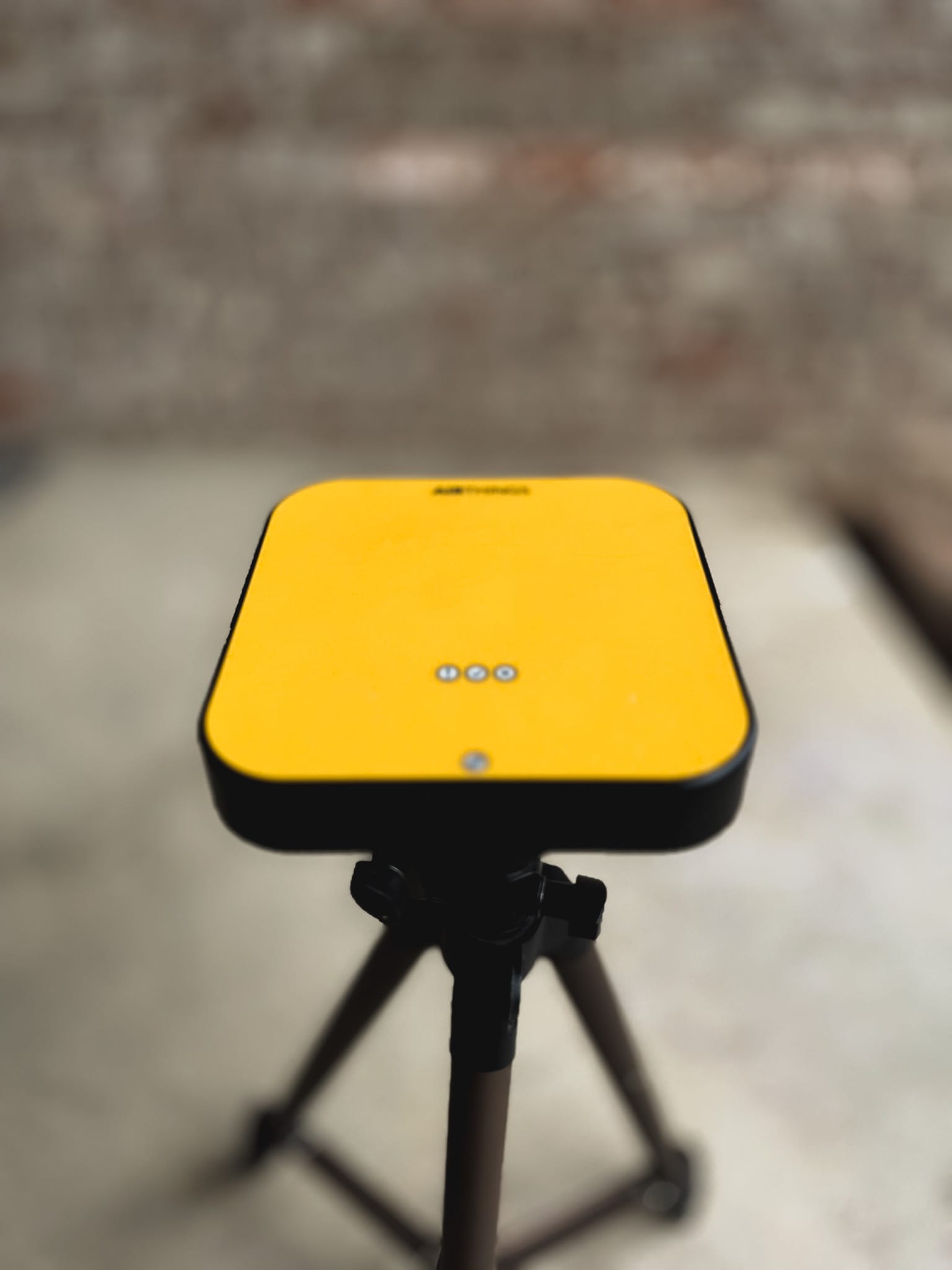
Radon Testing in Progress

Reliable
Results

Ensure the safety of your home with our professional radon testing services. Our process includes:

  • Advanced detection methods

  • High accuracy equipment

  • Quick and efficient service

  • Expert analysis and reports

  • Customized solutions for your needs

  • Commitment to health and peace of mind

Thorough Radon Testing Solutions

Experience unparalleled precision with our radon testing services, designed for your peace of mind. Our approach features:

  • Rigorous testing protocols
  • Detailed reports with actionable insights
  • State-of-the-art equipment
  • Long-term monitoring options
  • Tailored advice from certified experts
  • Commitment to exceeding safety standards
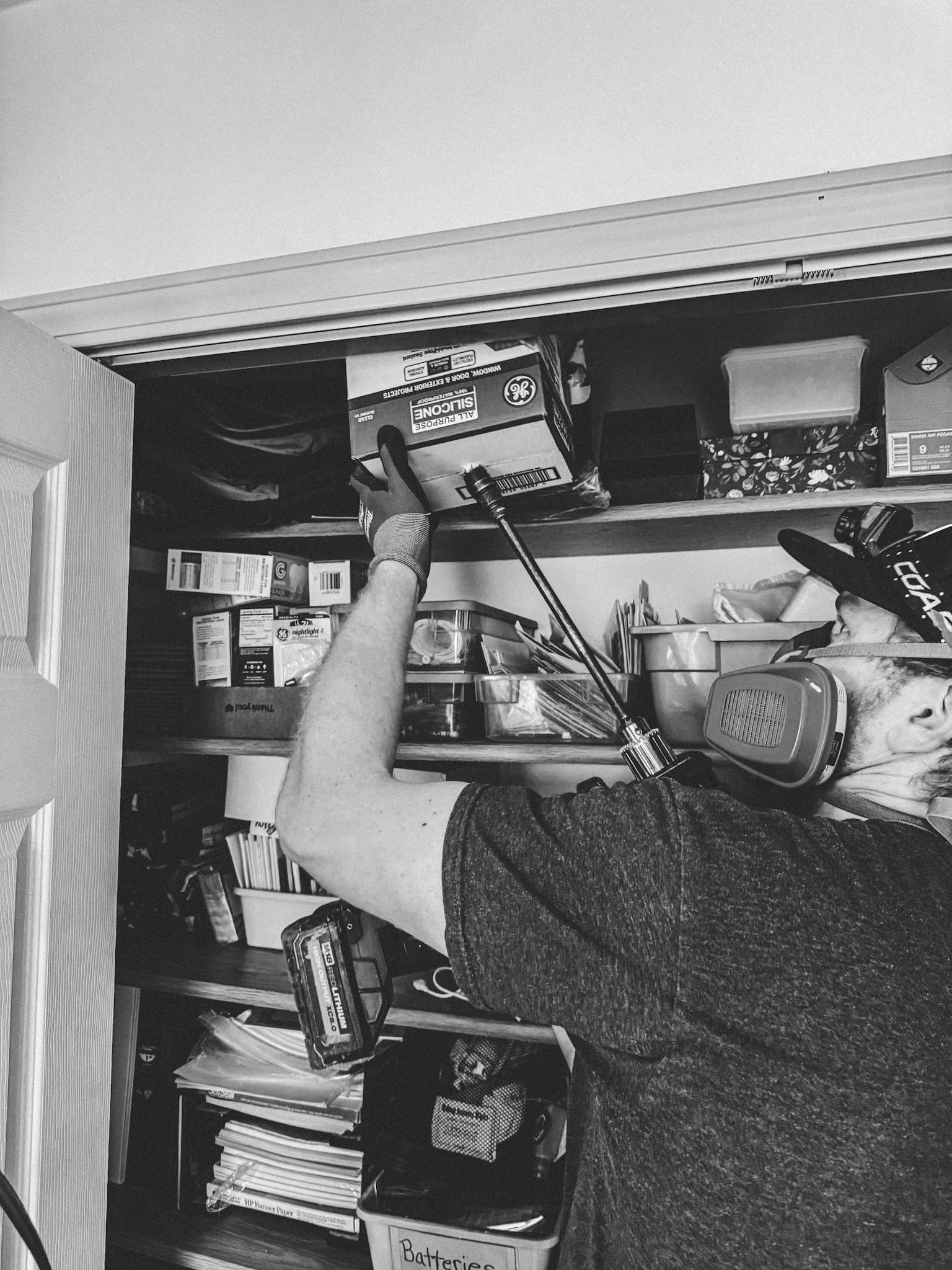
Radon Testing By Professional Technician

Our Simple Process

Experience seamless radon mitigation with our structured approach that prioritizes your safety and satisfaction.

Frequently Asked Questions About Radon Testing

Here are some of our most frequently asked questions. Please feel free to reach out if you have any other questions.

Radon is a naturally occurring radioactive gas that is colorless and odorless. It is produced by the decay of uranium found in soil, rock, and water. Radon can enter homes and buildings through cracks in the foundation, walls, and floors, as well as through gaps around service pipes. It is important to test for radon because it is the second leading cause of lung cancer after smoking. Long-term exposure to elevated radon levels increases the risk of lung cancer, making it critical to ensure that radon levels in your home or building are within a safe range. Testing is the only way to know your home’s radon levels, as it provides you with an accurate understanding of the potential risks. By identifying elevated radon levels, you can take the necessary steps to reduce them and protect yourself and your family. Professional radon testing provides precise measurements, helping you make informed decisions about mitigation if needed. Regular testing is recommended as part of routine home maintenance, especially in areas known for high radon levels.

Radon gas moves up through the ground and finds its way into buildings through a variety of pathways. The primary entry points include cracks in concrete floors and walls, construction joints, gaps around service pipes, cavities inside walls, and the water supply in some cases. The concentration of radon inside a building is influenced by several factors, including the building’s design, construction materials, the level of air tightness, and ventilation. Because radon gas comes from natural processes beneath the earth’s surface, virtually all buildings have some level of radon. However, the extent of indoor radon exposure is also affected by the pressure difference between the ground and the interior of the building. In regions with high natural uranium levels in the soil, radon exposure can be significantly higher, making testing essential. Homeowners should be vigilant about monitoring radon levels, as changes in weather, atmospheric pressure, and seasonal variations can cause fluctuations in radon concentrations.

Radon testing can be performed using several methods, each offering different durations and precision levels. Short-term radon tests are the most common and quickest method, typically lasting between 2 and 90 days. These tests involve passive devices such as charcoal canisters, alpha track detectors, or continuous radon monitors (CRMs). Long-term radon tests, which last 91 days or more, provide a more accurate average radon level over time. CRM devices offer real-time data and analysis, making them a professional choice for accurate measurements. Certified radon professionals can ensure correct test placement, particularly in areas that may have higher radon levels due to geographic factors or building characteristics. During the test, the home should be in normal living conditions, and all external doors and windows must remain closed, except for normal entry and exit. Once the testing period concludes, the device is sent to a laboratory for analysis. The results provide a clear indicator of whether mitigation is necessary based on Environmental Protection Agency (EPA) guidelines.

The frequency of radon testing depends on several factors including geographic location, previous test results, and structural changes to the building. For homes located in areas known for high radon levels, annual testing is advisable. If previous tests have shown elevated radon levels, it is recommended to perform follow-up tests more frequently. If your home has undergone significant renovations or changes that could affect radon exposure, it is wise to retest. For new home purchases, testing is typically part of the inspection process, but regular testing should continue afterward. Continuous monitoring is especially beneficial in ensuring that radon levels remain within a safe range over time. Seasonal changes can affect radon levels; therefore, conducting tests during different times of the year can provide more comprehensive data. Homeowners should maintain testing records and share these with prospective buyers to assure them of the property’s safety. Staying informed and proactive about testing can greatly reduce the risks associated with radon exposure.

High radon levels pose significant health risks, primarily because of their role as a leading cause of lung cancer in non-smokers. Radon gas decays into radioactive particles that, when inhaled, can damage the lining of the lungs. The risk of developing lung cancer from radon exposure depends on the concentration of radon in the air you breathe, the length of exposure, and whether you smoke or have smoked in the past. The effects of radon are cumulative, meaning the damage builds up over time with prolonged exposure. This makes it especially dangerous if not actively monitored and managed. Children are especially vulnerable to radon exposure due to their developing respiratory systems. Prolonged exposure without proper mitigation can result in severe health implications, underscoring the importance of regular testing and immediate action when high levels are detected. By ensuring radon levels are consistently monitored and reduced to safe levels, you protect the health and well-being of everyone in your home.

The Environmental Protection Agency (EPA) considers radon levels below 4.0 picocuries per liter (pCi/L) to be safe. However, there is no known safe level of radon exposure, and even levels below the EPA threshold can pose some risk. The EPA recommends taking action to reduce radon levels in your home if they are 4.0 pCi/L or higher. Mitigation measures can often lower radon levels to 2.0 pCi/L or below, further reducing risk. While radon is a naturally occurring gas, minimizing exposure is the best way to prevent health issues. Many homeowners prefer to take action at levels lower than 4.0 pCi/L to maximize safety. It is important to remember that radon levels can vary based on geographic location, climate, and even within different parts of the same building. Regular testing and mitigation can ensure radon remains at safe levels, protecting your long-term health and peace of mind. By working with certified radon professionals, you can develop an effective strategy to manage radon and maintain a healthy living environment.

If radon levels are high in your home, it is important to take prompt action to reduce them. The first step is to consult with a certified radon mitigation professional to assess your situation and recommend the best course of action. These professionals have the expertise, tools, and technology needed to effectively lower radon levels in residential properties. A common method of radon reduction is sub-slab depressurization, which involves installing a system to vent radon gas from beneath the foundation to the outside of the house. Another approach is sealing cracks and openings in the building’s foundation and walls. For homes with crawl spaces, covering the ground with plastic sheeting can also reduce radon levels. After mitigation measures are implemented, follow-up testing is essential to ensure that the radon levels have dropped to a safe threshold. Continuous monitoring and regular maintenance of the radon mitigation system are crucial to maintaining low radon levels over time.

Yes, radon levels can fluctuate over time due to several factors such as changes in environmental conditions, structural modifications, and seasonal variations. Weather conditions, including temperature, humidity, and atmospheric pressure, can all influence radon levels by altering the airflow in and around the building. For instance, radon levels may be higher in the winter months when homes are often tightly sealed, preventing radon from escaping. Additionally, renovations or construction activities that disturb the ground or building structure can create new entry points for radon or alter the way radon accumulates indoors. Natural changes in the earth’s crust and fluctuations in groundwater levels can also impact radon concentration. Therefore, regular testing is necessary to monitor radon levels and ensure that they remain within a safe range, even if previous test results were satisfactory. Keeping aware of these potential changes and staying proactive with your testing schedule is essential for maintaining a healthy living environment.

Yes, radon testing is necessary even in newly built homes. Although new homes may include radon-resistant construction techniques, they are not radon-proof, and testing is critical to verify whether these methods are effective. Newer homes can still have elevated radon levels due to the air-tightness and energy efficiency efforts that may inadvertently trap radon indoors. Moreover, radon levels are unpredictable, and the only way to determine the current state is through testing. Even in homes with existing radon mitigation systems, testing ensures the system is functioning correctly and effectively reducing radon levels. For new homeowners, early detection of radon provides peace of mind and informs any necessary measures that need to be taken to maintain a safe living environment. Being proactive with radon testing in a new home forms an integral part of responsible homeownership and contributes to long-term health and safety.

Maintaining a radon mitigation system is crucial for ensuring its continued effectiveness in reducing radon levels in your home. Regular maintenance includes checking the system fan to ensure it is running continuously and effectively. It’s essential to listen for unusual noises and to visually inspect the system components for any signs of wear or damage. Additionally, checking the U-tube manometer for pressure changes is vital to confirm the system is operating at the correct levels. Professional inspections should be scheduled at least annually or as recommended by your radon mitigation provider. These inspections include comprehensive checks of all system elements and performance verification through radon retesting. Keeping records of maintenance activities and test results also helps track the system’s operational history and efficacy. If any issues arise with the system, they should be addressed immediately by consulting a certified radon professional. Long-term effective radon mitigation relies on diligent maintenance and attention to system function and environmental changes.

Our Achievements & Affiliations

Our certifications and affiliations underscore our commitment to excellence in radon management. As trusted leaders, these accomplishments highlight our expertise and dedication to delivering the highest quality service and solutions in the industry.


Multifamily Mitigation Certificate
Multifamily Measurement Certificate
Certified Radon Measurement Professional Badge NRPP
Certified Radon Mitigation Specialist Badge
National Radon Proficiency Program Badge

Facts About Radon

#1
Cause of Lung Cancer
After Smoking
colorado homes have
5X hIGHER
Radon LevelS Than The Rest Of The US
1
In
2
Homes in COLORADO Test High for Radon LEVELS

What Our Customers Say
About Our Services

  • Evergreen made my radon testing quick and easy. The techs were very friendly. I will use their services again in the future. Thank you for the quality care!
    Shay M.
  • Connor showed up at the drop of a hat during our home buying inspection to set up a radon test. He was fast and we had our test results the next day.
    S. M.
  • We used Evergreen to test our radon levels at a home we are purchasing and were very satisfied with their professionalism & knowledge.
    cICELY B.

Resources About Radon SERVICES

Explore our comprehensive resources to understand radon and why it’s crucial for ensuring safe living and working environments. Our expert insights empower you with knowledge for effective radon management.